
The opening shapes access to the contents
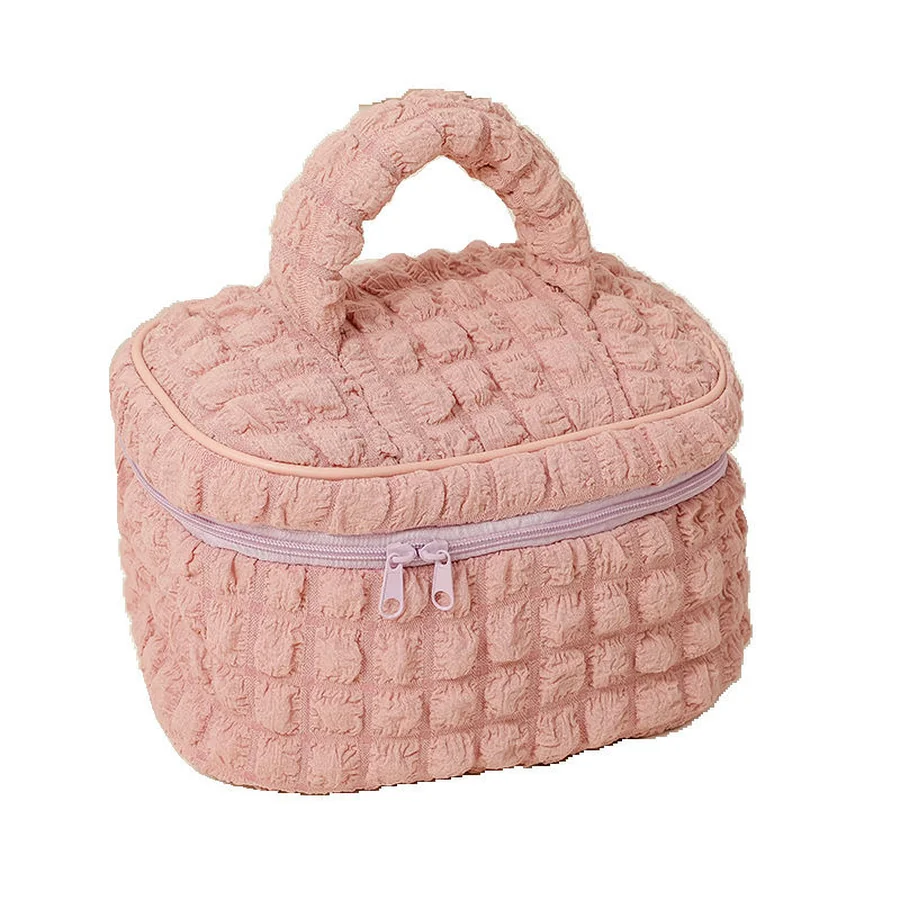
Begin with the largest item your customer needs to put inside, including its case, cover or protruding parts. A short top zip and a wide travel-bag opening give different access even when the outside dimensions look similar. FC-094A’s open view shows the main compartment and lining together. The pattern room considers the zip route, corners and interior as one arrangement. A photo or sketch is enough to start the conversation; the chosen physical sample lets you review the opening with your own kit.

Pocket zips give the front its character
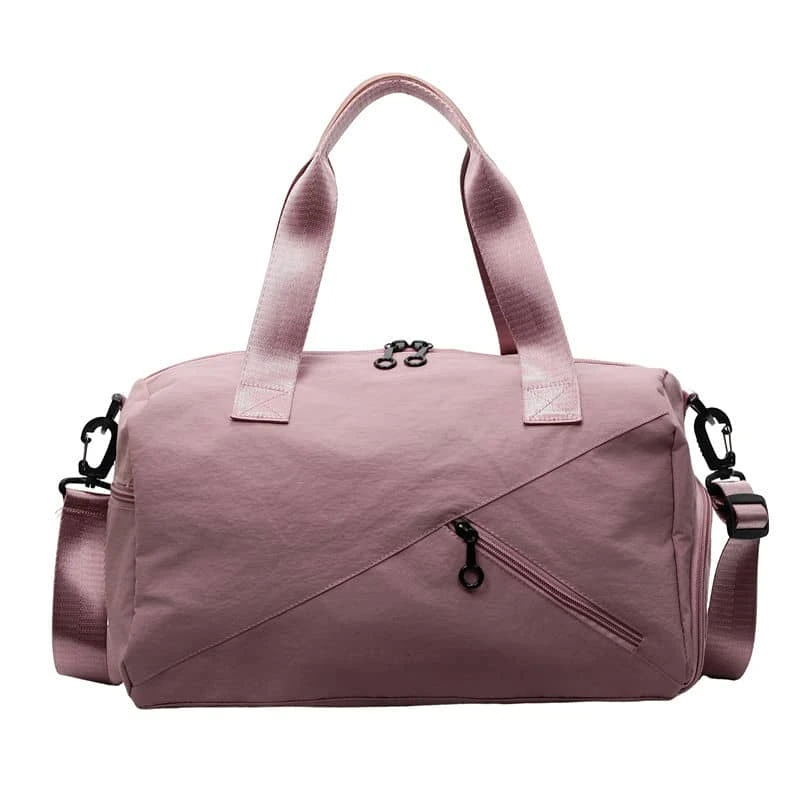
A front-pocket zip closes that pocket; it does not tell you how the main compartment opens. FC-094A’s diagonal pocket makes this distinction easy to see. Tell us which items should be reached separately and whether the pocket sits beside your logo. Our free design visual can show the opening and artwork together. That is a useful moment to move a mark away from a seam or pull, before the pattern room prepares the sample.

Pulls and colour finish the detail
The zipper includes more than the visible pull: its chain, slider, tape and pull style belong in the component choice. Two sliders can work on one main opening, as shown in the FC-094A close-up; they do not establish two compartments. Pull colour can continue the body or add a deliberate contrast. If your range requires a particular zipper brand or component, tell your salesperson before quotation so its availability, cost and timing can be checked with the selected bag.
The sample connects outside and inside
Review the sample as a bag: open and close the main compartment, reach into the pockets, and check how the lining sits beside the zip. Agree the component, pull and colour choices with your salesperson so those details stay with the production reference. Feima checks incoming accessories and first pieces within its five-stage prevention workflow. For the neighbouring parts of the design, see the lining and hardware guides.