Bag manufacturer in Jinhua, China · since 1995 · MOQ 500 stock / 1,000 custom [email protected] EN RU ES PT DE
FEIMA Custom bag manufacturer Send an enquiry

Blog · Factory notes

Bag Carton Packing: Connecting Your Assortment to Shipment

Use pieces per carton, carton dimensions and model identification to organise a mixed bag shipment.

Bag Carton Packing: Connecting Your Assortment to Shipment — Feima Bag, Jinhua China
The short answer

Carton quantities and dimensions belong to the selected model and packaging. Carton marks connect that information to the assortment and packing list.

Packing data belongs to the model

Two bags in a collection can have different carton quantities. Pieces per carton and carton dimensions let the shipment be planned from the actual assortment. Your representative includes those details for the selected versions rather than applying one quantity to all bag types.
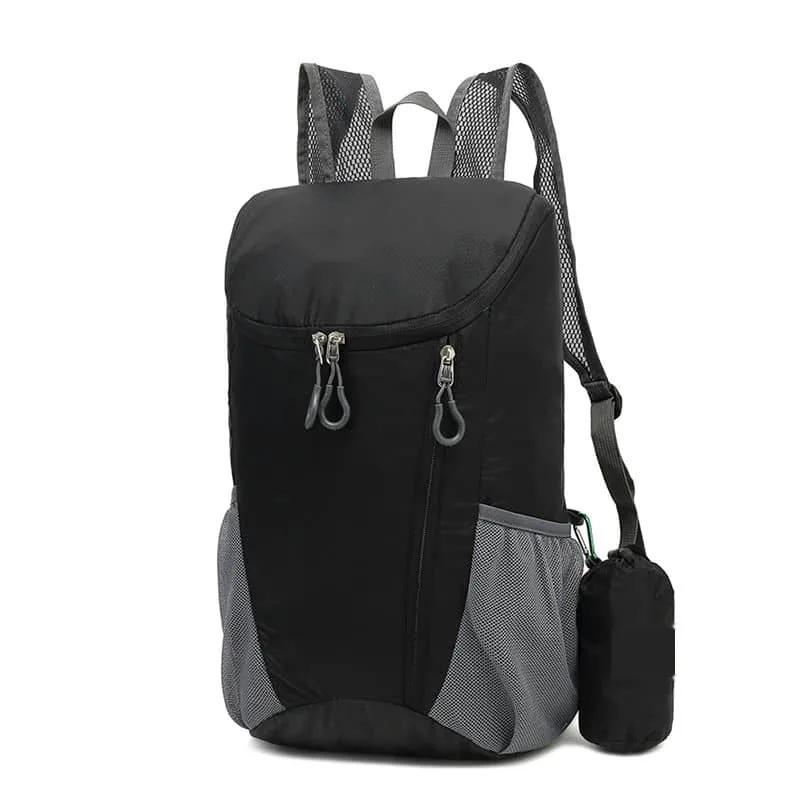
FA-057 black foldable backpack shown with its compact pouch
FA-057 with its pouch. Confirm how each chosen model will be packed before applying its pieces-per-carton figure to the shipment.

Standard carton size is a starting point

Feima’s standard export carton is 60 × 50 × 40 cm. The number packed follows the model and individual presentation. A structured bag, folding bag and retail box occupy space differently; the packing arrangement is confirmed for the order.

Make the cartons recognisable

Model numbers, colours and agreed carton marks connect the packing list to the assortment. With several categories included, your contact organises the identification for each one. Those details can follow your warehouse or distributor’s receiving plan.

Feima staff working with bags beside labelled cartons in the factory
Bags and cartons on Feima’s factory floor. Keep the agreed model, colour and quantity references together for the packing list and warehouse handover.

Use the data in the delivery proposal

Share the quantity split, delivery address and any warehouse instructions with your salesperson. Compare freight offers using the same carton figures and the same delivery scope: collection from the factory or a named China warehouse, export handling and the destination leg. The shipping page helps you discuss the route and agree where the goods are handed over.

Questions we get on this

Questions about carton quantities and marks

Is every model packed in the same quantity?

No. A structured backpack, a folding tote and a bag in retail packaging occupy space differently. Your salesperson reviews pieces per carton and outside carton dimensions for the selected version, even when the standard export carton is used. Send the quantity split by model and colour so the shipment can be planned from your actual assortment.

Can carton marks identify several colours?

Yes. Agreed model and colour references can be included in the carton identification and packing record.

How do I calculate carton volume in cubic metres?

Multiply outside length, width and height in centimetres, then divide by 1,000,000. Feima’s standard 60 × 50 × 40 cm carton is 0.12 m³. Use the final carton count and any pallet dimensions for the actual freight calculation.

Why can a carton be billed above its scale weight?

Couriers and air services may charge for the space it occupies. The carrier compares its dimensional-weight calculation with gross weight; its current divisor, rounding and service rules determine the final chargeable weight.

Can increasing the order reduce freight cost per bag?

It can spread shared handling and booking costs across more pieces or make another freight mode practical. Compare packed volume and total delivery cost at quantities that suit your demand, while keeping each model and colour’s minimum.

Can you quote delivery to my forwarder’s China warehouse?

Yes. Send the warehouse address and receiving instructions. We can separate product and domestic delivery charges, and agree the named handover place and export-clearance responsibility before dispatch.

Can we compare two packing plans before booking freight?

Yes. Tell us which individual-packaging options you are considering. Your salesperson can review pieces per carton, carton count, outside dimensions and gross weight for the selected models, then keep the agreed plan with the order. Ask your forwarder to compare the same route and delivery scope using those figures. A smaller packing footprint is only useful if it preserves the bag shape and presentation your customer needs.

In this article

Bag carton planning at a glance

  • Packing data belongs to the modelTwo bags in a collection can have different carton quantities. Pieces per carton and carton dimensions let the shipment be planned…
  • Standard carton size is a starting pointFeima’s standard export carton is 60 × 50 × 40 cm. The number packed follows the model and individual presentation. A structured…
  • Make the cartons recognisableModel numbers, colours and agreed carton marks connect the packing list to the assortment. With several categories included, your…
  • Use the data in the delivery proposalShare the quantity split, delivery address and any warehouse instructions with your salesperson. Compare freight offers using the…

Go deeper

Starting quantities, materials and timing

Quality and documents

A clear reference for your order.

The approved sample and agreed specifications guide the build. Your salesperson brings the material, logo and packing details together with the production team.

Feima’s five production checkpoints →

Factory systems and material reports

ISO 9001 and ISO 14001 are held at factory level. Available product and material reports describe their tested samples; we help you review the relevant files for your project.

View certificates and original reports →

Keep reading

Send a drawing, a photo, or just a sentence.

Share the model or idea, quantity and destination. We will help with the material, branding and sample options, then prepare the production plan around your order.

Feima has made bags in Jinhua since 1995. A salesperson prepares your project details, and the sales manager oversees progress.