Bag manufacturer in Jinhua, China · since 1995 · MOQ 500 stock / 1,000 custom [email protected] EN RU ES PT DE
FEIMA Custom bag manufacturer Send an enquiry

Blog · Buyer’s guide

Cooler bag development begins with the contents

A lunch container, picnic kit and delivery programme need different shapes. We begin with the contents and develop the opening, lining and carrying details around them.

Cooler bag development begins with the contents — Feima Bag, Jinhua China
The short answer

Container dimensions give cooler-bag development a starting point. The shell, insulation, liner and opening are considered together for the selected construction.

A useful shape for your kit

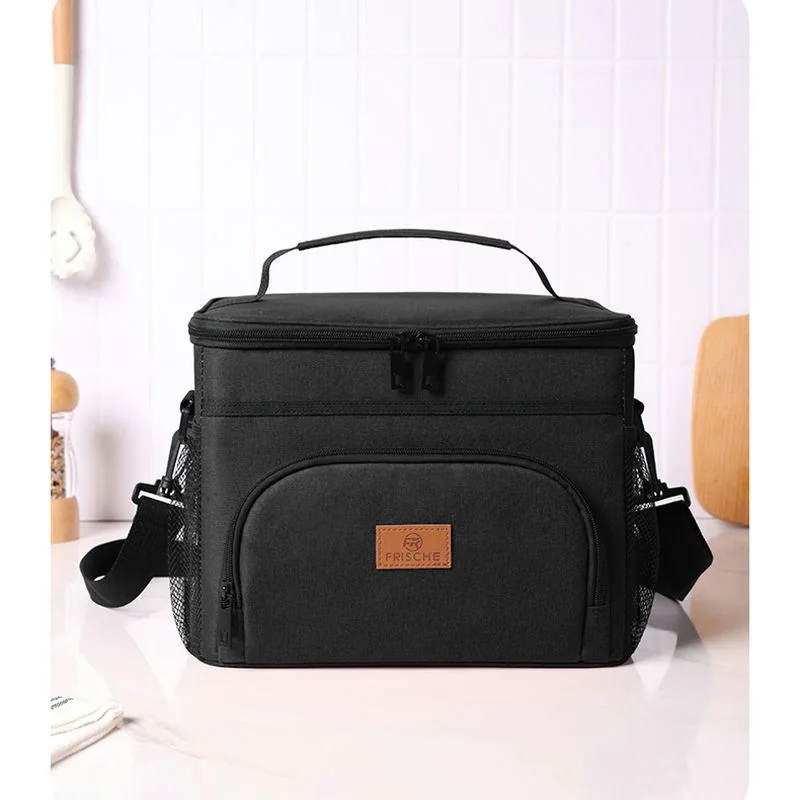
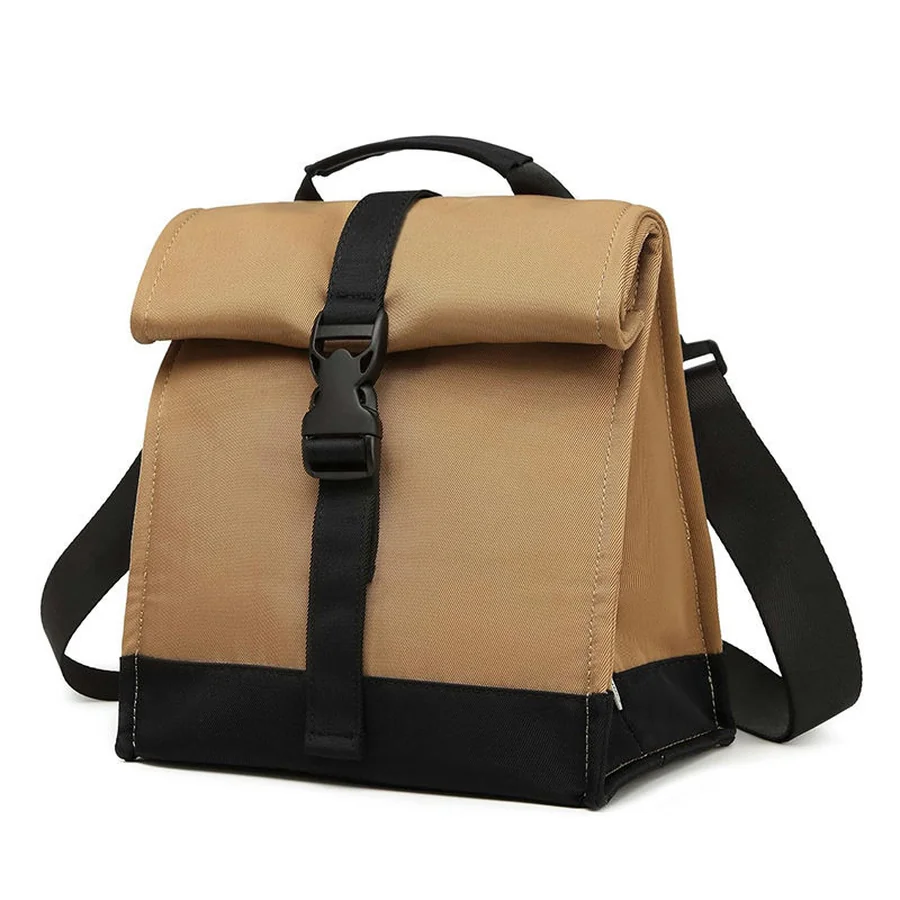
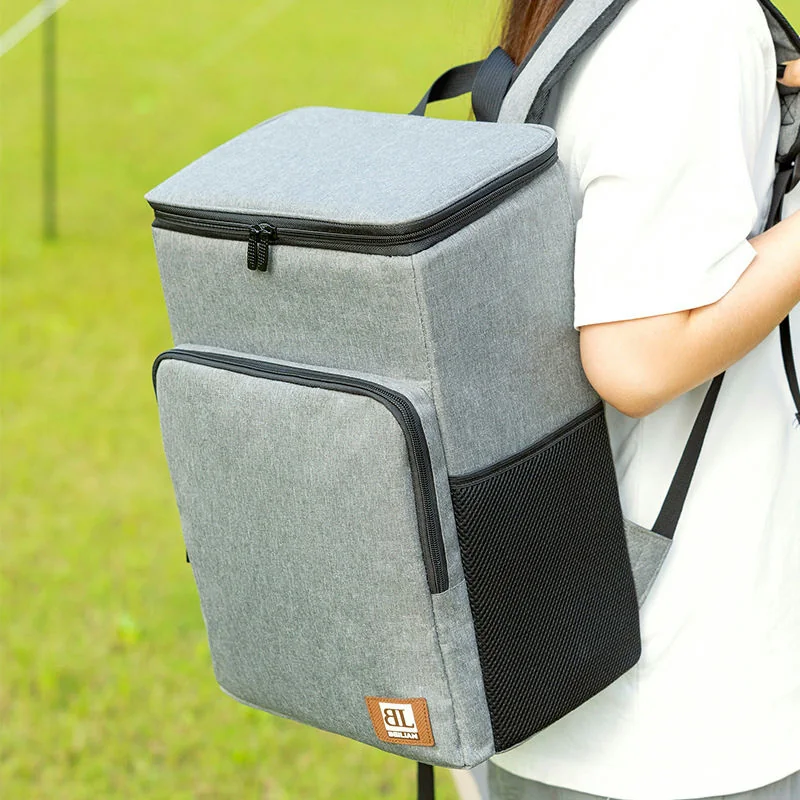
A cube-like lunch bag, upright tote and wide picnic style organise the inside differently. Container dimensions give the pattern room a reference for the body and opening. The cooler and lunch bag range includes several formats to begin your collection.
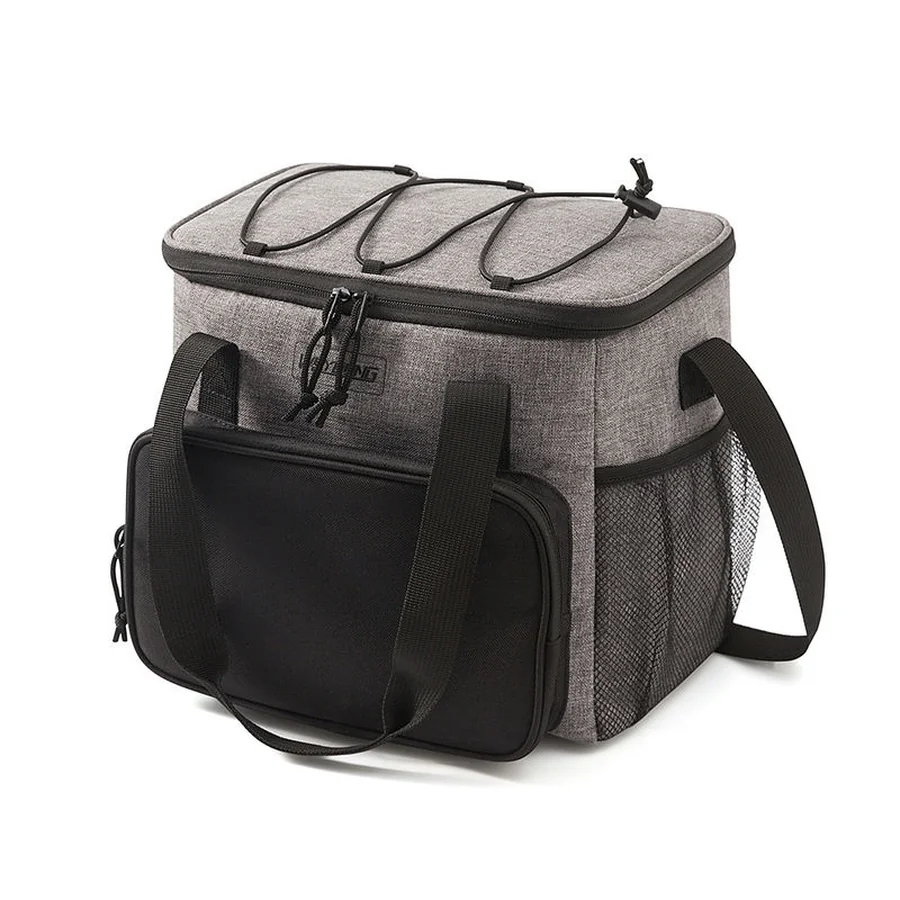
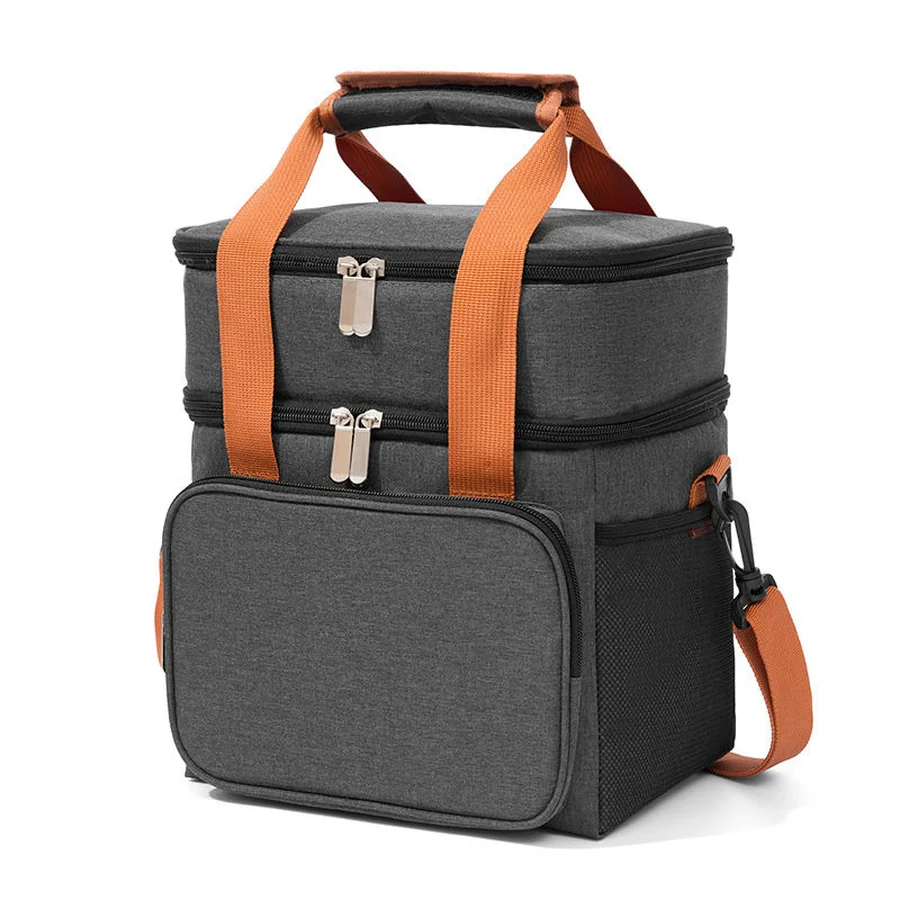
FK-067 boxed cooler bag with a zipped lid, front pocket and side mesh
FK-067 shows a boxed format with a zipped lid. The actual container kit helps you review the opening and usable space on a sample.

Treat the lining as part of the version

The shell, insulation layer and liner are specified together for the chosen bag. We discuss the interior with your intended containers, including how they fit through the opening and sit inside the bag. The selected construction and dimensions are brought into the sample so you can see the complete arrangement.

FK-061 accessory pocket shown with utensils
FK-061 accessory pocket. Container fit, the main-compartment lining and the closure are reviewed on the selected sample.

Documents for the selected lining

Your contact checks the available material reports against the selected lining and its intended use. The original files on the report page identify the submitted samples and recorded results. The relevant file is considered alongside the proposed material, containers and bag version.

A lunch bag can be part of a series

Colour, handles and labels can follow a backpack or another accessory. Our designer shows the pieces together before sampling. One representative coordinates their individual specifications, sample decisions and packaging, then prepares the shipment calendar with you.
Questions we get on this

Questions about cooler bag development

Can the shape follow our container kit?

Yes. Container dimensions help the pattern room develop the bag’s body, opening and interior arrangement.

How are material reports considered for the lining?

Your contact checks the available reports against the selected lining and intended use. Each original file describes its submitted sample and recorded results.

Can we request a particular insulation or temperature-retention target?

Tell us the intended contents, use conditions and target in your brief. We can review the lining, insulation and closure for that version and discuss any supporting test arrangement. A photograph or layer description alone does not confirm a retention time.

Does a wipe-clean lining mean the complete cooler bag is leakproof?

No. The liner, seams and closure need to be considered together. Your contact can discuss the intended use and available material evidence with the sample brief, with any finished-bag claim tied to relevant supporting results.

Can the cooler bag match a backpack or tote in our range?

Yes. We can coordinate the palette, logo and trim while keeping the cooler liner and construction specific to its use. Our 15 bag categories can be planned through one contact for a combined shipment.

What affects the packed volume of a cooler-bag order?

The shape, insulation, size and individual packaging affect pieces per carton. We review the packing format for the selected bag and provide carton data for a freight comparison, rather than assume every insulated bag can be packed flat.

How can we compare cooler-bag versions within our budget?

Start with the same container kit, order quantity and destination. We can set out the shell, lining, insulation, opening and logo work for each proposed version, then review the physical samples and packing volume with you. That keeps usability, finish and freight in the comparison. The agreed quality reference stays visible; a change to the selected components is discussed and approved before the specification is updated.

In this article

Cooler bag shape and lining at a glance

  • A useful shape for your kitA cube-like lunch bag, upright tote and wide picnic style organise the inside differently. Container dimensions give the pattern…
  • Treat the lining as part of the versionThe shell, insulation layer and liner are specified together for the chosen bag. We discuss the interior with your intended…
  • Documents for the selected liningYour contact checks the available material reports against the selected lining and its intended use. The original files on the…
  • A lunch bag can be part of a seriesColour, handles and labels can follow a backpack or another accessory. Our designer shows the pieces together before sampling. One…

Go deeper

Samples, starting quantities and materials

Quality and documents

A clear reference for your order.

The approved sample and agreed specifications guide the build. Your salesperson brings the material, logo and packing details together with the production team.

Feima’s five production checkpoints →

Factory systems and material reports

ISO 9001 and ISO 14001 are held at factory level. Available product and material reports describe their tested samples; we help you review the relevant files for your project.

View certificates and original reports →

Keep reading

Send a drawing, a photo, or just a sentence.

Share the model or idea, quantity and destination. We will help with the material, branding and sample options, then prepare the production plan around your order.

Feima has made bags in Jinhua since 1995. A salesperson prepares your project details, and the sales manager oversees progress.