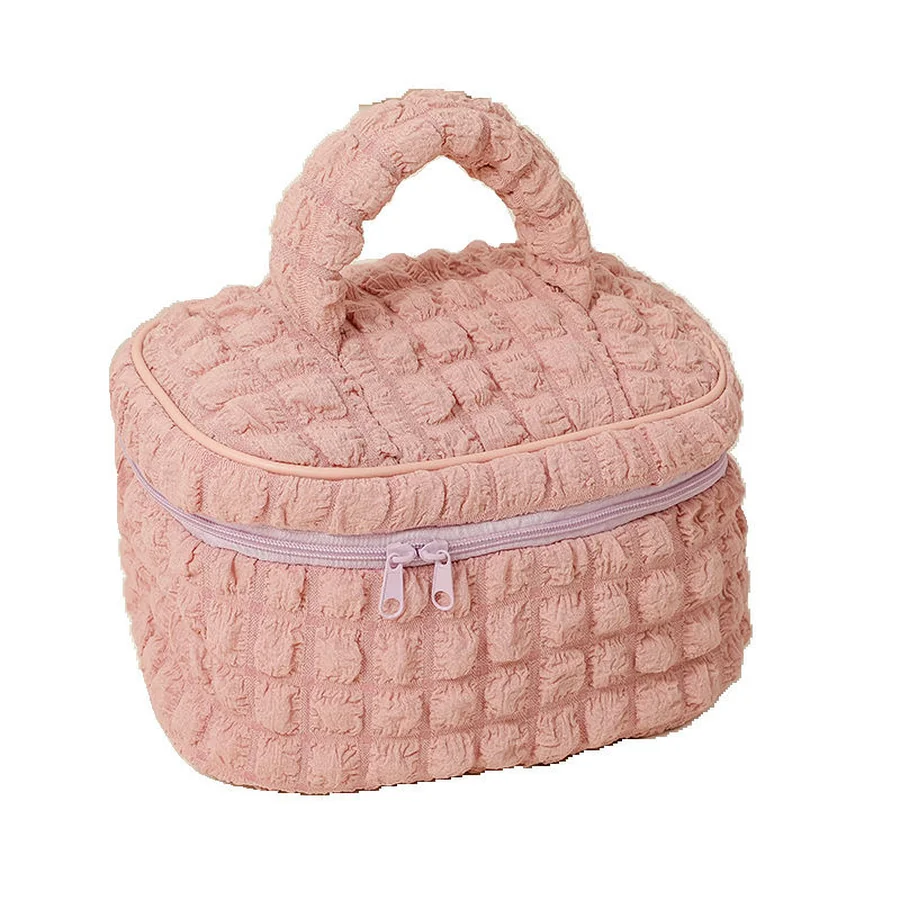

A small label can carry the identity
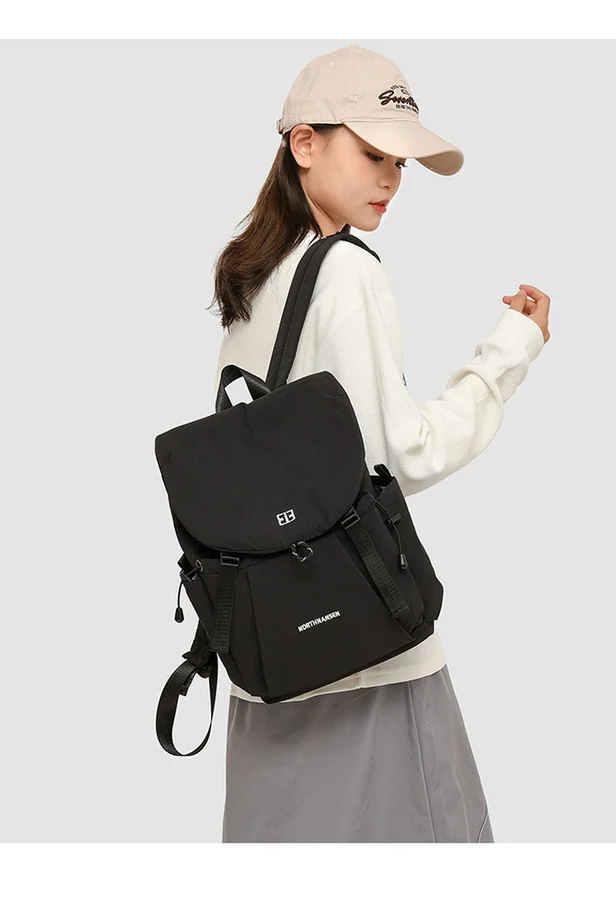
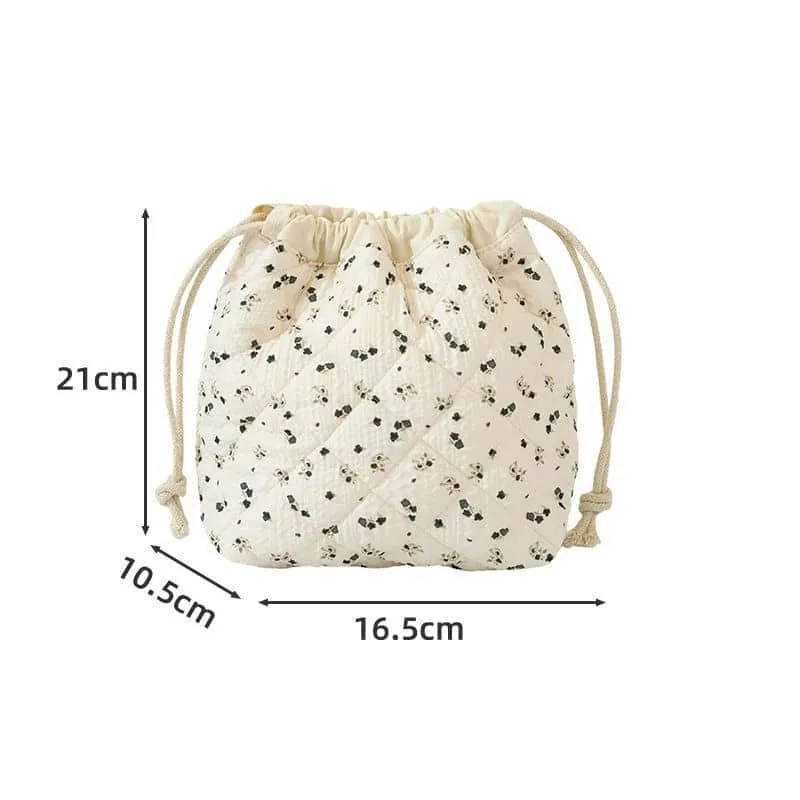
A small label lets the bag shape and fabric stay in view while still giving your brand a place of its own. The FJ-065A pouch shows a label at the side seam; a backpack may suit a position near a pocket or inside the opening. Start with where your customer should see the mark, then let us review the seam and attachment with the pattern. Our designer can show the position on the chosen bag before the physical sample.

Artwork guides the format
In a woven label, coloured yarn forms the artwork. A printed label carries the design on its surface. A simple wordmark can suit a woven treatment; fine lettering, several lines of information or a colour gradient may make a printed option worth comparing. Send the artwork and finished label size, including any folded area. We review the layout at that scale with you. Your salesperson can compare the options using the same artwork, size and order quantity, then quote the chosen format.
Labels can connect different shapes
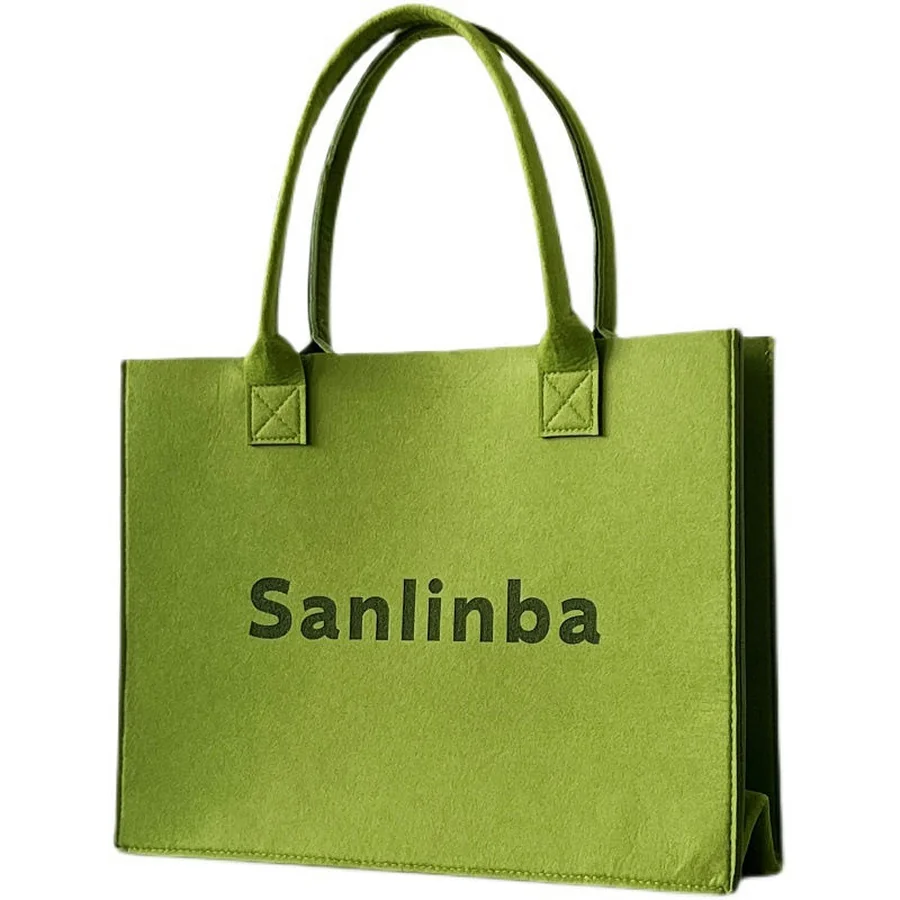
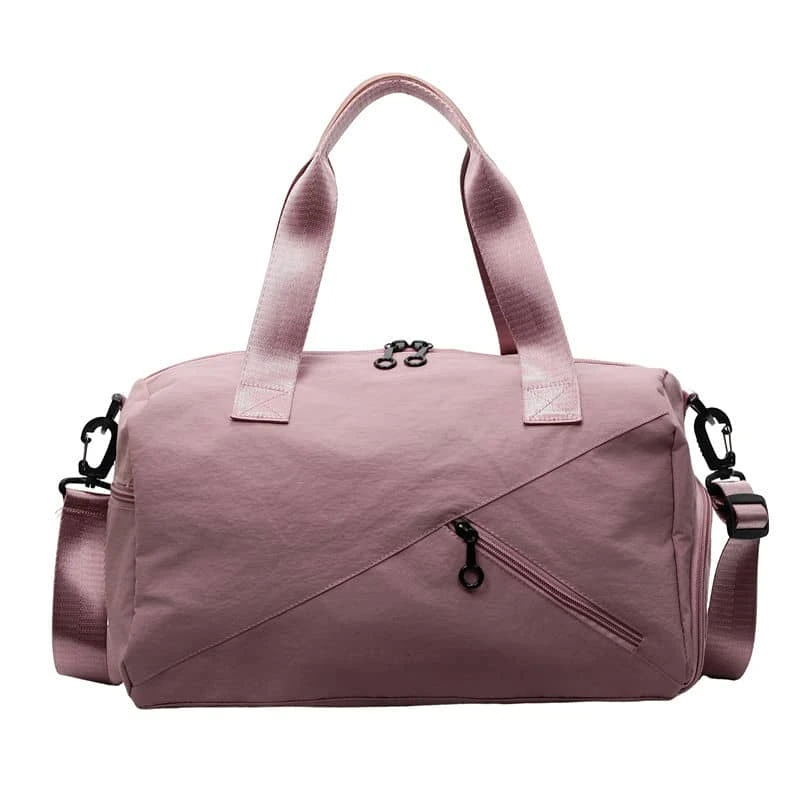
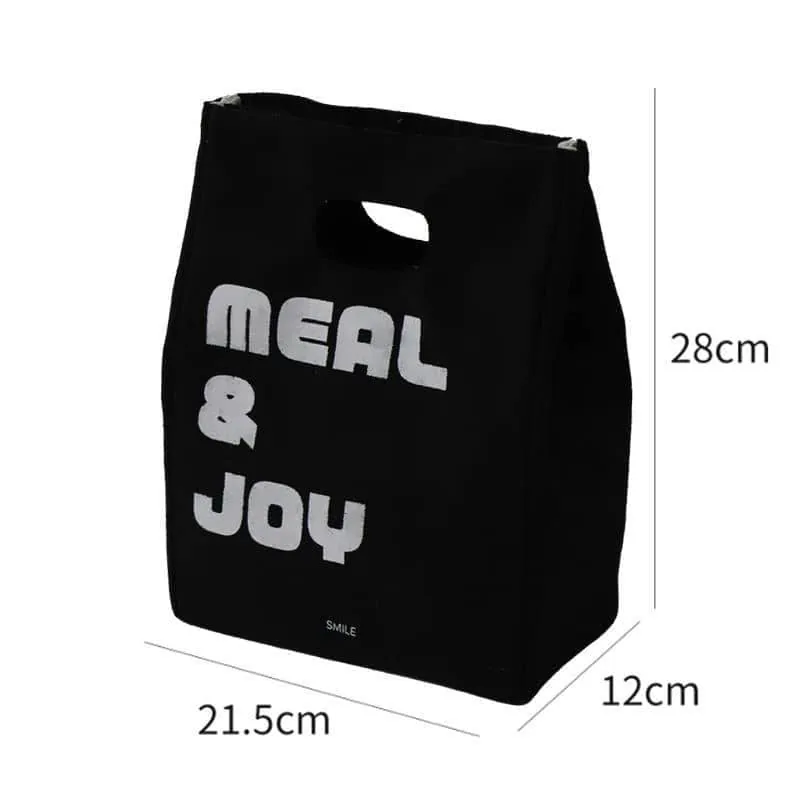
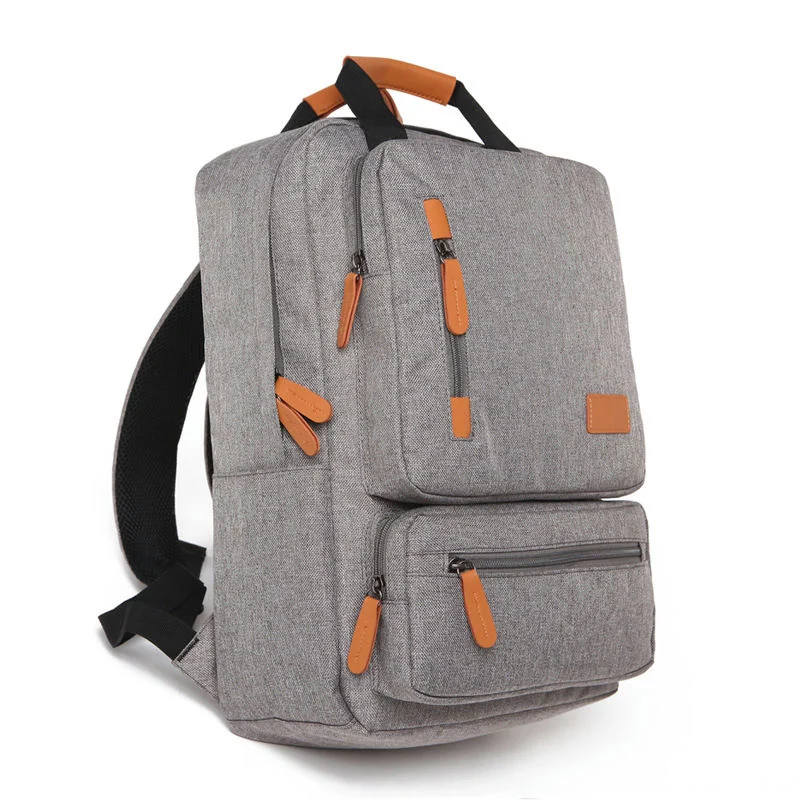
A shared wordmark can connect a backpack, tote and pouch without a large graphic on every front panel. Keep its artwork and colour reference consistent, then review the visible label area and position on each shape. The same total label size can show differently when one version folds into a seam and another is sewn flat. Your salesperson keeps those attachment details with the model, so the collection is developed as a coordinated range rather than three separate logo decisions.
Include the packaging presentation
Keep a brand label separate from a label carrying composition, care or other information when that makes the layout clearer. Send your approved wording and languages with the artwork; your team approves the final text for its destination. Labels, hang tags and packaging can then follow the same model and colour names. Your representative brings the selected files and positions into one brief. For a larger body graphic, the embroidery and print article compares another branding direction.