
Bag manufacturer in Jinhua, China · since 1995 · MOQ 500 stock / 1,000 custom [email protected] EN RU ES PT DE
FEIMA Custom bag manufacturer Send an enquiry

Blog · Factory notes

600D vs 1680D Polyester: Two Fabric Directions for a Bag

Compare 600D and 1680D as parts of a complete bag design, including its surface, outline, opening and accessories.

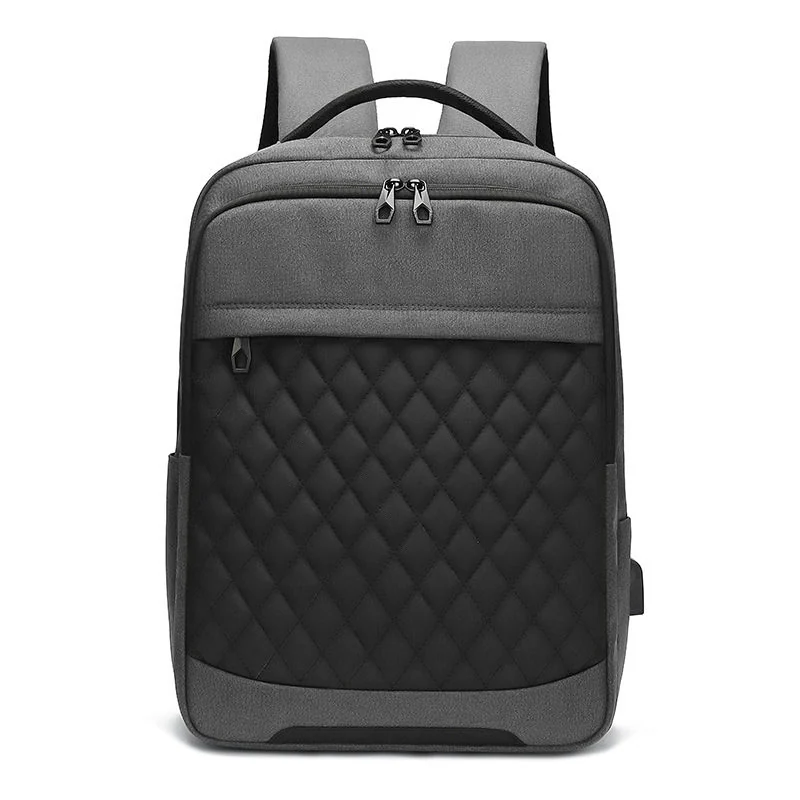
FF-102 backpack in its listed 600D reference material600DFF-102 backpack
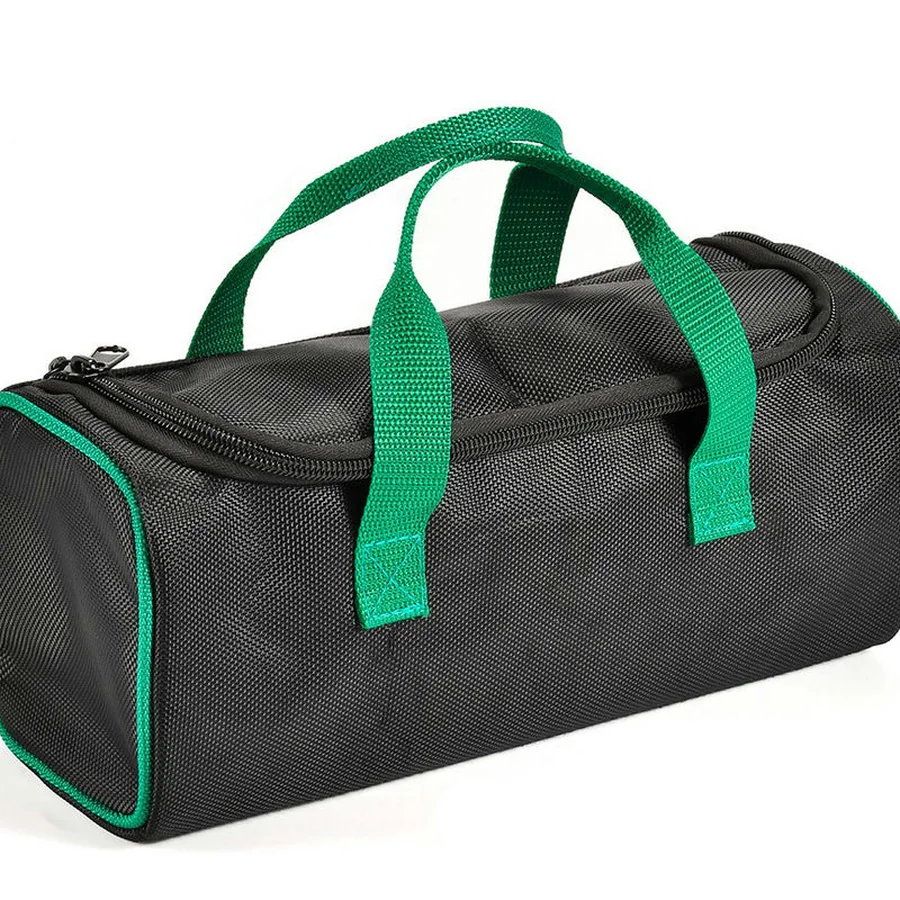
FT-010 tool bag in its listed 1680D reference material1680DFT-010 tool bag
Two catalogue references with different listed materials. Denier alone does not establish a finished bag’s performance.
The short answer

Denier is one description of the fabric. The selected weave, finish, lining and bag construction give that choice its product context.

What the number describes

Denier describes the yarn used in a fabric. It does not describe a finished bag’s carrying capacity. A 600D or 1680D option is considered with its weave, coating and lining, and the proposal records the chosen fabric for that particular version.
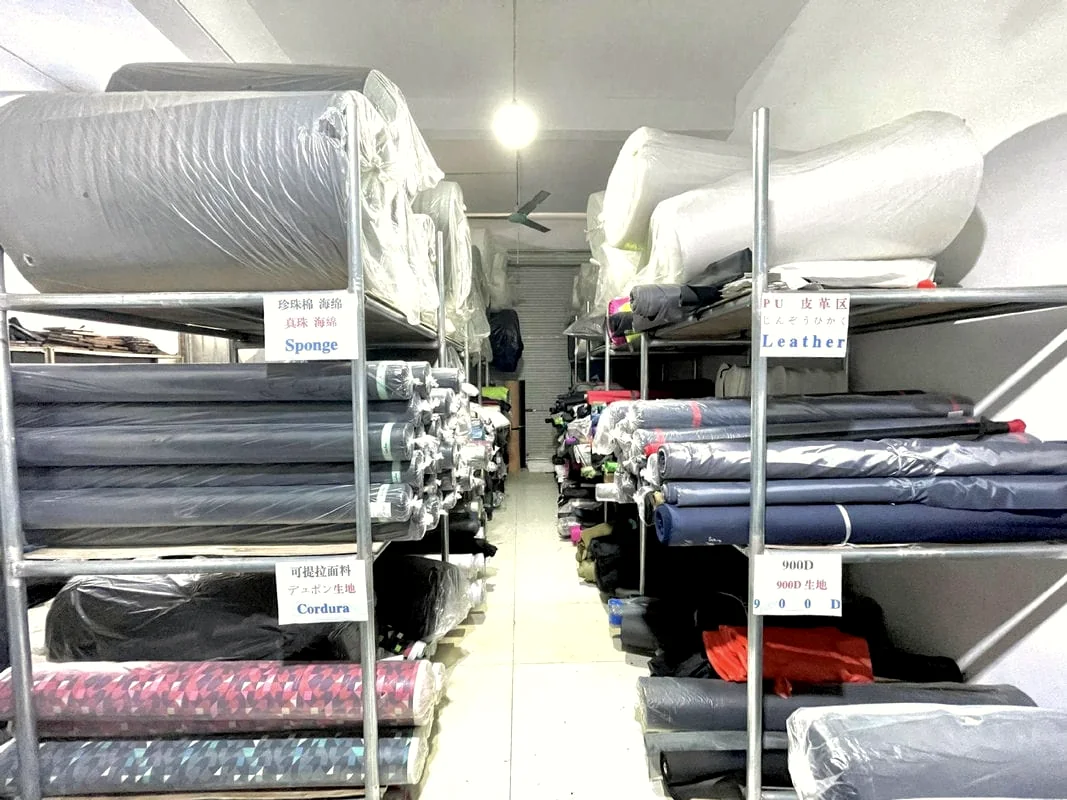
Material rolls organised on racks at Feima’s factory
Material references at Feima. We record the selected weave, finish and lining with your model, so the sample and quotation describe the same version.

Begin with the collection’s appearance

A promotional backpack may call for a different surface and outline from a travel range. We show material options against the model and artwork. Panels, corners and pocket shapes contribute to the finished appearance, giving the fabric choice a clear product context.

Keep the construction in view

The pattern room considers the body, opening, lining, handles and trim together. The zip opening guide looks at access and pocket placement in more detail. A preferred feel or reference bag gives the team a starting point. The physical sample brings that fabric into the agreed construction, without attaching a universal abrasion or load claim to its denier.

FF-123 backpack open to show its lining and main compartment with example contents
Inside FF-123, a model listed in 600D. Review the opening, lining and usable space on the sample alongside the outer fabric.

Continue the choice across accessories

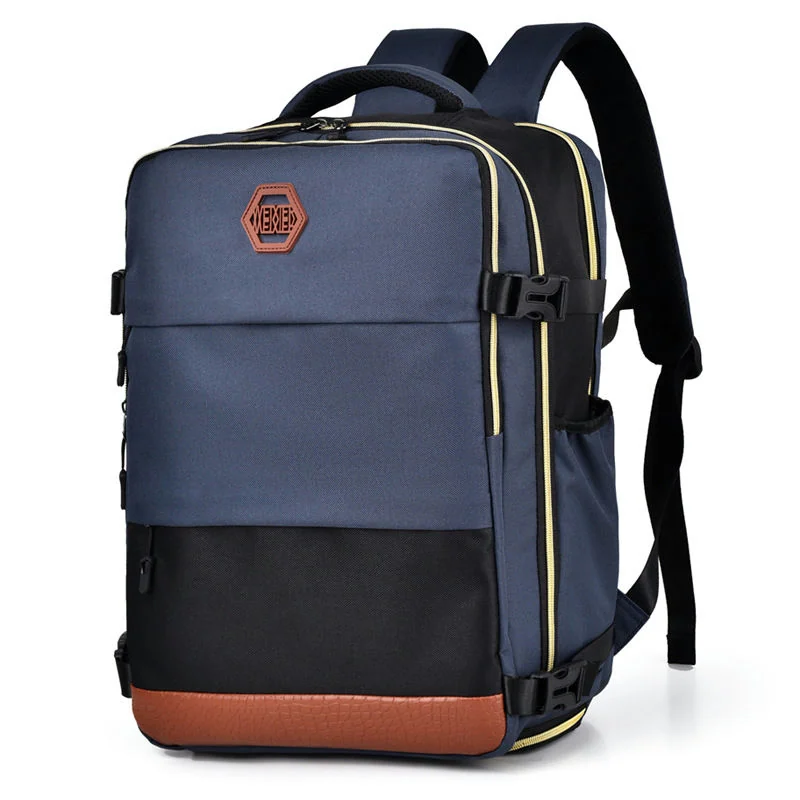
A backpack and pouch can share a colour while using different constructions. We record the selected material for each item and show the collection together. The material guide gives the broader view of shell, finish and lining choices.
Questions we get on this

Questions about 600D and 1680D fabrics

Does the denier number describe carrying capacity?

It describes the fabric’s yarn. Carrying capacity is a property of the complete bag construction and any specific supporting evidence.

Can matching accessories use different fabrics?

Yes. They can share a colour while keeping their own construction and material specification.

Can 600D and 1680D fabrics appear in one coordinated range?

Yes. The body, trim and accessories can use different selected fabrics while sharing a palette or brand direction. We record the fabric and finish for each model instead of treating the denier number as the complete specification.

How can a fabric change affect the bag shape and packing?

The selected fabric can change the feel, fold and way the panels are sewn. We consider it with the pattern, lining and packing format on the sample before finalising the version and carton data.

Can I compare two fabrics on the same bag design?

Yes. Share the model, use and quantity so we can discuss available fabric options against the same construction. Any swatch or physical-sample work and its cost are agreed with your contact first.

Can changing the fabric affect the logo method?

Yes. Surface texture, coating and artwork detail matter to decoration. Our designer can show the proposed position, and the chosen fabric and logo treatment are brought together on the physical sample.

What material details should we keep for a repeat order?

Keep the model, approved sample, fabric reference, weave, finish, lining and colour details together with the artwork. Your salesperson uses that record to check the next order’s material availability. If another option is proposed, we explain its effect on the bag, price and schedule for your approval before updating the specification.

In this article

600D and 1680D fabric choices at a glance

  • What the number describesDenier describes the yarn used in a fabric. It does not describe a finished bag’s carrying capacity. A 600D or 1680D option is…
  • Begin with the collection’s appearanceA promotional backpack may call for a different surface and outline from a travel range. We show material options against the…
  • Keep the construction in viewThe pattern room considers the body, opening, lining, handles and trim together. The zip opening guide looks at access and pocket…
  • Continue the choice across accessoriesA backpack and pouch can share a colour while using different constructions. We record the selected material for each item and…

From the range

Models for your fabric brief

The material shown belongs to the existing reference version. Different bag shapes give you a starting point; fabric, finish and construction are agreed together for your project.

Discuss the whole material specification →

Go deeper

Starting quantities, materials and timing

Quality and documents

A clear reference for your order.

The approved sample and agreed specifications guide the build. Your salesperson brings the material, logo and packing details together with the production team.

Feima’s five production checkpoints →

Factory systems and material reports

ISO 9001 and ISO 14001 are held at factory level. Available product and material reports describe their tested samples; we help you review the relevant files for your project.

View certificates and original reports →

Keep reading

Send a drawing, a photo, or just a sentence.

Share the model or idea, quantity and destination. We will help with the material, branding and sample options, then prepare the production plan around your order.

Feima has made bags in Jinhua since 1995. A salesperson prepares your project details, and the sales manager oversees progress.